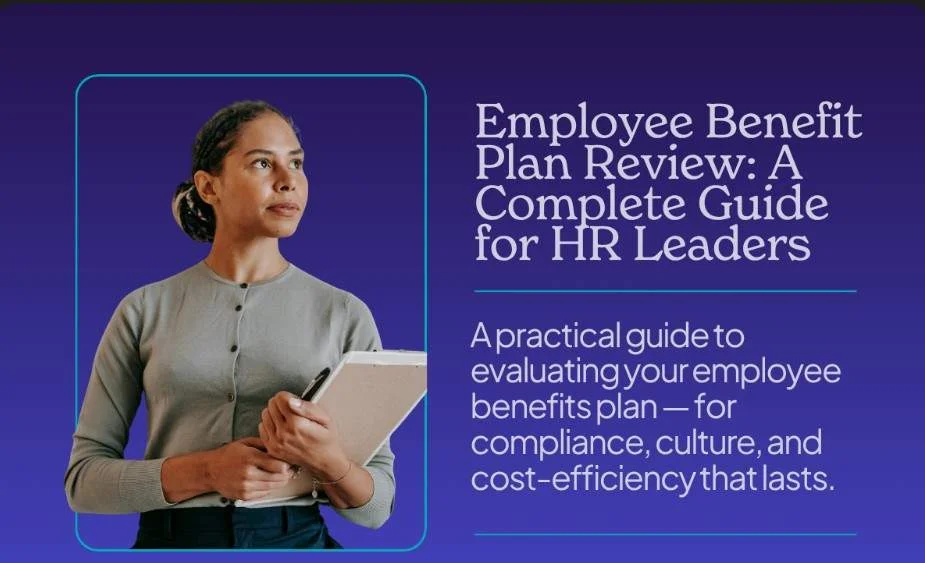
Losing a job is stressful enough. Losing employer benefits at the same time can make everything feel more urgent.
Health insurance, life insurance, disability coverage, retirement contributions, paid leave, and other workplace benefits often sit quietly in the background while someone is employed. Then a layoff, termination, resignation, or reduction in hours happens, and suddenly those benefits need attention fast.
The good news is that workers usually have options. The hard part is knowing what to review first, what deadlines matter, and which decisions could affect finances months from now. A calm, practical review can help prevent gaps in coverage, surprise medical bills, missed retirement moves, and avoidable stress during an already difficult transition.
Review When Your Health Coverage Actually Ends
The first question is simple: when does the employer-sponsored health plan stop? The answer isn’t always the employee’s last day of work. Some plans end immediately, some continue through the end of the month, and others may depend on the employer’s written policy or separation agreement.
Workers should ask HR or the benefits administrator for the exact coverage end date in writing. This matters because the next step often depends on that date. If there’s a doctor’s appointment, prescription refill, surgery, therapy session, or dependent’s medical need coming up, even a small gap in coverage can become expensive. It’s also smart to download plan documents, insurance cards, explanation of benefits records, and recent claim information before losing access to the company portal.
Once the end date is clear, compare replacement options right away. COBRA may let a worker keep the same plan temporarily, but it can be costly because the employee may have to pay the full premium. A Marketplace plan may be less expensive, especially if the worker qualifies for income-based savings. HealthCare.gov notes that people who lose job-based coverage generally have a 60-day window to enroll in Marketplace coverage through a special enrollment period, so this isn’t something to leave until later in the month. HealthCare.gov guidance also explains that Marketplace coverage can usually start the first day of the month after job-based coverage ends.
Compare COBRA, Marketplace, and Spouse or Partner Coverage
COBRA is often the easiest option to understand because it usually keeps the same doctors, network, deductible status, and prescriptions. That continuity can matter a lot if someone is pregnant, managing a chronic condition, in the middle of treatment, or close to meeting the yearly deductible. But the convenience comes with a price. The premium can jump sharply because the employer may no longer be paying part of the cost.
Marketplace coverage can be a better fit for workers who need a lower monthly premium or who don’t need the exact same provider network. When comparing plans, don’t look only at the premium. Review the deductible, out-of-pocket maximum, prescription coverage, specialist access, mental health coverage, urgent care costs, and whether current doctors are in network. A cheaper plan can still cost more overall if it doesn’t cover the care someone actually uses.
Spouse or partner coverage is another option if available. A job loss may create a special enrollment opportunity under that person’s employer plan. Before joining, workers should compare the employee-plus-spouse or family premium, coverage levels, provider access, and waiting periods. This is also a good time to ask whether dental and vision are bundled or separate, since those benefits are often overlooked until a child needs glasses or someone has a dental issue.
Check Final Pay, Severance, and Legal Rights
Benefits don’t exist in isolation. They’re usually tied to final pay, unused vacation, severance, bonuses, commissions, and the reason employment ended. A worker who focuses only on health insurance may miss other financial pieces that affect the next few months.
Review the final paycheck carefully. It should reflect all hours worked, overtime if applicable, approved paid time off if state law or company policy requires payout, unpaid commissions, reimbursements, and any deductions. If something looks off, ask for a written explanation. Keep copies of pay stubs, offer letters, commission plans, bonus agreements, expense reports, and any messages about final compensation.
Workers should also read severance agreements slowly. These documents may include deadlines, release of claims, confidentiality language, non-disparagement clauses, benefit continuation terms, and restrictions that affect future employment. If the job loss involved discrimination, retaliation, unpaid wages, medical leave, pregnancy, disability accommodation issues, or complaints about workplace conduct, it may be wise to seek workplace rights help before signing anything. Once a release is signed, it can be difficult to revisit claims later.
Revisit Retirement Accounts and Employer Contributions
Retirement benefits are easy to ignore during a job transition, especially when immediate bills feel more pressing. But workers should review their 401(k), 403(b), pension, stock plan, or other employer-sponsored retirement benefits soon after leaving.
Start by checking the vested balance. Employee contributions are typically owned by the worker, but employer matching contributions may follow a vesting schedule. Someone who leaves before fully vesting may lose part of the employer contribution. That can be frustrating, but it’s better to know the amount clearly before making rollover decisions.
Workers usually have several options for a workplace retirement account. They may leave the money in the old plan if allowed, roll it into a new employer plan, roll it into an IRA, or cash it out. Cashing out may create taxes and penalties, so it’s usually worth getting financial or tax guidance before taking that route. Also check whether any outstanding 401(k) loan becomes due after separation. If the loan isn’t handled correctly, it may be treated as a taxable distribution.
Don’t Forget Disability, Life, Dental, and Vision Benefits
Health insurance usually gets the most attention, but other benefits can matter too. Employer-sponsored life insurance may end shortly after employment ends. Some plans allow workers to convert or port coverage into an individual policy, but the window to do that may be short. Anyone with dependents, a mortgage, shared debts, or caregiving responsibilities should review this carefully.
Short-term and long-term disability coverage also deserves attention. If someone has a medical condition that began while still employed, they should review whether any claim can or should be filed before coverage ends. Disability policies often have specific definitions, waiting periods, proof requirements, and deadlines. Waiting too long can create complications.
Dental and vision coverage may seem less urgent, but losing them can still affect household costs. Families with children, orthodontic needs, ongoing dental treatment, or vision prescriptions should check whether COBRA applies to those plans or whether separate individual coverage makes sense. Sometimes paying out of pocket for routine care is cheaper than buying replacement coverage, but that depends on expected needs.
Update the Household Budget Around Benefit Changes
The financial impact of losing employer benefits can show up in several places at once. A worker may face higher insurance premiums, reduced income, job search costs, medical expenses, and uncertainty around severance or unemployment benefits. A temporary budget can help create breathing room.
Start with the non-negotiables: housing, utilities, food, insurance, transportation, prescriptions, debt minimums, and child-related expenses. Then estimate the cost of replacement benefits. COBRA, Marketplace premiums, dental coverage, life insurance, and out-of-pocket medical expenses should be treated as real monthly costs, not afterthoughts.
It’s also worth contacting lenders, landlords, medical billing offices, or service providers early if cash flow will be tight. Many people wait until they’re already behind. A proactive call may open options such as payment plans, hardship programs, or temporary adjustments. That won’t solve everything, but it can reduce pressure while the worker searches for a new role.
Keep Records Organized During the Transition
After losing employer benefits, paperwork can pile up quickly. There may be COBRA notices, Marketplace documents, severance agreements, final pay statements, unemployment forms, retirement account notices, tax forms, and emails from HR. Keeping these records organized is one of the simplest ways to avoid mistakes.
Create one folder for employment documents and another for benefits. Save digital copies of anything related to coverage dates, premium amounts, plan choices, claim records, final compensation, severance terms, and retirement balances. If conversations happen by phone, write down the date, the person spoken to, and what they said.
This recordkeeping helps in practical ways. It makes it easier to compare plans, prove loss of coverage, confirm deadlines, challenge billing errors, and answer questions from a future employer, insurance carrier, tax preparer, or attorney. It also gives workers a clearer picture of what’s been handled and what still needs attention.
Conclusion
After losing employer benefits, the main priority is to protect yourself from coverage gaps, missed deadlines, and rushed decisions.
Review the health insurance end date first, compare replacement options, check final pay and severance terms, and organize every document tied to benefits and compensation. A job transition can feel messy, but a careful review gives workers more control when they need it most.
About the Author