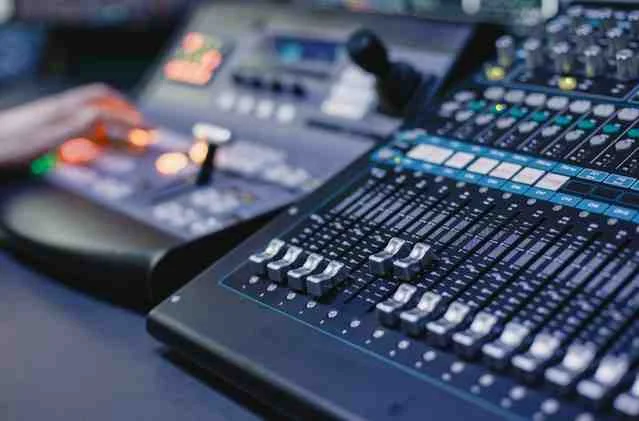
Audio-visual (AV) equipment is widely used across events, offices, schools, and commercial spaces. From projectors and sound systems to LED displays and conferencing tools, these setups are essential for communication and presentations. Businesses looking for flexible financing options can lease your AV Equipment from GB Nxt in Singapore to better manage operational costs and technology upgrades. In Singapore, many businesses are now choosing to lease AV equipment instead of buying it outright.
At first glance, buying may seem like the better long-term option. But when you look closer at costs, flexibility, and maintenance, leasing often makes more practical sense, especially for businesses that do not use AV equipment daily.
What AV Equipment Leasing Means
Leasing AV equipment means renting it for a specific period instead of purchasing it. This could be for a single event, a short-term project, or even a longer-term business need.
The leasing provider typically supplies the equipment, sets it up if needed, and may also provide technical support. Once the lease period ends, the equipment is returned.
This approach allows businesses to access high-quality equipment without the upfront investment required for ownership.
Lower Upfront Costs
One of the biggest advantages of leasing is cost. Buying AV equipment can be expensive, especially for high-end systems like large displays or professional audio setups.
Leasing spreads the cost over time or limits it to a one-time rental fee, depending on the arrangement. This makes it easier for businesses to manage budgets without large capital expenses.
For startups or small businesses, this can be especially helpful when cash flow is a priority.
Access to Updated Technology
Technology changes quickly, and AV equipment is no exception. What you buy today may become outdated within a few years.
Leasing allows you to use newer equipment without worrying about long-term ownership. You can upgrade or switch to better models as needed, depending on your requirements.
This is particularly useful for businesses that rely on high-quality presentations or client-facing events.
Flexibility for Different Needs
Not all businesses need AV equipment all the time. Some only require it for events, training sessions, or temporary setups.
Leasing provides flexibility because you can choose equipment based on specific needs and durations.
For example, a company hosting a conference may need large screens and sound systems for a few days, while an office may need video conferencing equipment for a few months.
Buying equipment for these short-term uses may not be practical.
Maintenance and Support
When you own AV equipment, you are responsible for maintenance, repairs, and storage. This can add extra costs and require technical knowledge.
With leasing, these responsibilities are often handled by the provider. If something goes wrong, they can provide support or replacement equipment.
This reduces downtime and ensures that equipment works properly when you need it most.
Ideal for Events and Temporary Setups
Leasing is especially useful for events such as corporate meetings, exhibitions, and product launches.
These setups often require specialised equipment that may not be used regularly after the event. Leasing allows you to get the exact setup you need without a long-term commitment.
It also simplifies logistics, as many providers handle delivery, setup, and collection.

When Buying Might Still Make Sense
While leasing has many advantages, buying can still be suitable in certain situations.
If your business uses the same AV equipment daily over a long period, purchasing may be more cost-effective in the long run.
Ownership also gives full control over equipment without relying on external providers.
The decision depends on how often the equipment is used and how important flexibility is for your operations.
Common Mistakes to Avoid
One common mistake is choosing leasing without comparing total costs over time. For long-term use, leasing repeatedly may cost more than buying.
Another mistake is not checking what is included in the lease agreement. Some packages include setup and support, while others may not.
It is also important to choose a reliable provider to ensure equipment quality and service support.
Conclusion
Leasing AV equipment offers a practical and flexible solution for businesses that need high-quality technology without the cost and responsibility of ownership. In Singapore, it is a popular option for events, temporary setups, and businesses that value flexibility.
By understanding your needs and comparing options, you can decide whether leasing or buying is the better choice for your situation.
FAQs
Is leasing AV equipment cheaper than buying?
It is usually cheaper for short-term use but may cost more over long periods.
What types of AV equipment can be leased?
Common items include projectors, sound systems, LED screens, and conferencing equipment.
Do leasing companies provide setup?
Many providers offer setup and technical support, but it depends on the package.
Can I lease AV equipment for long-term use?
Yes, some providers offer long-term leasing options depending on your needs.
About the Author