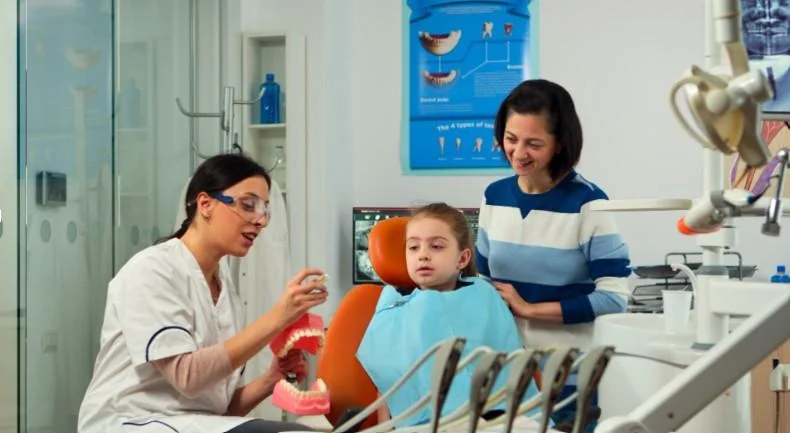
Wisdom tooth surgery is one of the most common dental procedures performed worldwide, particularly among young adults. Wisdom teeth, also known as third molars, typically emerge during late adolescence or early adulthood. While some individuals experience no complications, many require removal due to a lack of space or other oral health concerns. Understanding the procedure helps patients feel more informed and prepared, especially when guided by trusted dental providers such as the Family Dental Centre, which offers clear resources on wisdom tooth extraction and care.
What Are Wisdom Teeth?
Wisdom teeth are the final set of molars to develop in the human mouth. They usually appear between the ages of 17 and 25, a stage often associated with increased maturity, which is why they are called “wisdom” teeth.
Most people have four wisdom teeth—two on the upper jaw and two on the lower jaw. However, variations are common, with some individuals having fewer or none at all. Because these teeth emerge later in life, they often face limited space in the jaw, which can lead to complications.
Common Issues with Wisdom Teeth
The eruption of wisdom teeth can sometimes lead to several oral health problems, particularly when there is insufficient space in the jaw. One of the most frequent issues is impaction, where the tooth fails to fully emerge through the gum.
This can result in various complications, including infection, as partially erupted teeth can trap food and bacteria, leading to inflammation and gum disease. Another common issue is crowding, where pressure from emerging wisdom teeth pushes nearby teeth out of alignment, potentially undoing previous orthodontic work.
In more severe cases, cysts or fluid-filled sacs may form around impacted teeth. These cysts can damage the surrounding bone and even affect neighbouring teeth if left untreated.
Indications for Wisdom Tooth Surgery
Wisdom tooth extraction is typically recommended when these teeth cause pain, infection, or alignment issues. Dentists may also suggest removal as a preventative measure, even if symptoms are not yet present, to avoid future complications.
Dental X-rays play a crucial role in determining whether surgery is necessary. These images allow dentists to assess the position, angle, and development stage of the wisdom teeth, helping them make an informed treatment plan.
The Wisdom Tooth Surgery Procedure
Wisdom tooth surgery is usually performed by a dentist or oral surgeon, depending on the complexity of the case. The procedure can be carried out under local anaesthesia, sedation, or general anaesthesia, depending on patient preference and medical requirements.
Pre-Surgery Assessment
Before the procedure, a detailed examination is conducted to evaluate the condition of the teeth and surrounding gums. X-rays or 3D scans are often taken to understand the exact positioning of the wisdom teeth and to plan a safe extraction process.
Patients are also advised about pre-surgery instructions, such as fasting requirements if sedation or general anaesthesia is used.
The Extraction Process
During surgery, the dentist or surgeon makes a small incision in the gum to access the tooth. If the tooth is impacted or difficult to remove, it may be divided into smaller sections to make extraction easier and reduce trauma to surrounding tissue.
Once the tooth is removed, the area is cleaned thoroughly to prevent infection. In some cases, stitches are used to close the gum and promote healing. The entire procedure is carefully managed to minimise discomfort and ensure patient safety.
Post-Surgery Care
Proper aftercare is essential for a smooth and quick recovery. Patients are usually given detailed instructions to help manage healing effectively. These include maintaining a soft diet for several days to avoid disturbing the surgical site and applying ice packs to reduce swelling.
Pain-relief medication may be prescribed to manage discomfort, and patients are advised to maintain oral hygiene while initially avoiding direct brushing of the affected area. Rinsing with saltwater may also be recommended after the first 24 hours to keep the area clean.
Risks and Complications
Although wisdom tooth surgery is generally safe, like all surgical procedures, it carries some risks. One of the most common complications is dry socket, which occurs when the blood clot at the extraction site is dislodged, exposing nerves and bone. This condition can cause significant pain and may require additional treatment.
Other potential risks include infection, prolonged bleeding, and temporary nerve irritation. In rare cases, nerve damage may result in numbness in the tongue, lip, or chin area. However, such complications are uncommon when the procedure is performed by experienced professionals.
Recovery Timeline
Recovery from wisdom tooth surgery varies depending on the individual and the complexity of the extraction. Most patients begin to feel better within a few days and can resume normal activities shortly after.
However, complete healing of the gum tissue may take several weeks. Swelling and mild discomfort are common during the first few days but gradually improve with proper care. Following post-operative instructions carefully plays a key role in ensuring a smooth recovery.
Cost Considerations
The cost of wisdom tooth surgery depends on several factors, including the number of teeth being removed, the complexity of the extraction, and the type of anaesthesia used. Simple extractions are generally less expensive than surgical removals of impacted teeth.
In some cases, dental insurance may cover part of the procedure, depending on the policy. It is always advisable for patients to consult their dental provider in advance to understand expected costs and available payment options.
Conclusion
Wisdom tooth surgery is a common yet important dental procedure that helps prevent a range of oral health complications. From infection and crowding to long-term structural issues, early assessment and timely removal can significantly improve dental well-being.
Understanding the procedure, recovery process, and potential risks allows patients to approach treatment with greater confidence and reduced anxiety. With proper professional care and adherence to aftercare instructions, most individuals experience a smooth recovery and long-term oral health benefits.